KIC and AGRA recently provided entrepreneurship training, business incubation, post-harvest management support, and productive assets across multiple districts in Northern Ghana as part of implementation of the “Expanding, Mentoring and Coaching to Build Capacity and Expand Access to Technical and Financial Resources for Disadvantaged Youth in Agriculture in Ghana Project”.
These interventions in the selected districts have strengthened the technical, entrepreneurial, and business capacities of young women and youth-led enterprises while improving productivity, reducing post-harvest losses, and enhancing access to quality agricultural inputs. The project is aimed at creating employment opportunities for youth in agriculture in these communities.
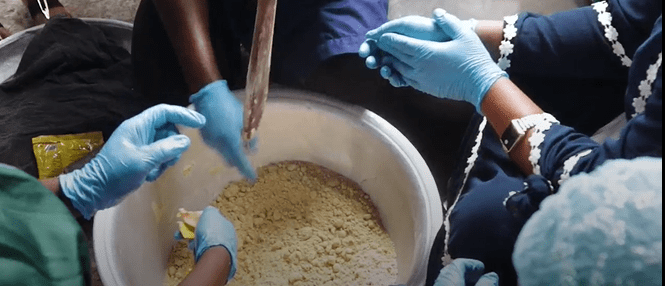
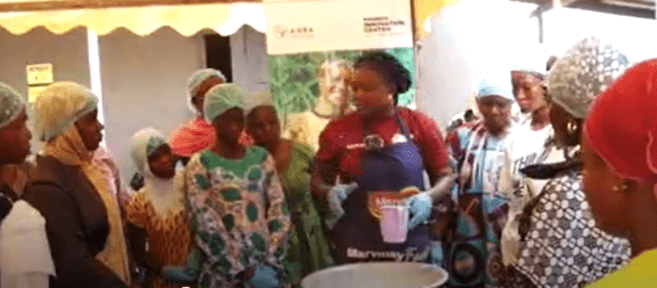
A total of 306 young women from Tamale, Kumbungu, and Bolgatanga successfully completed intensive entrepreneurship and livelihood skills training in soybean value addition, acquiring practical competencies in processing soybean into tom-brown, cereal blends, chips, and kebabs. The programme also strengthened participants’ knowledge in food safety, quality assurance, packaging, branding, and basic enterprise management to enable the establishment of competitive, market-ready agribusinesses. To facilitate immediate business start-up and transition to youth-in-work, all 306 women entrepreneurs received comprehensive starter packs comprising processing equipment, raw materials, packaging supplies, and sealing machines. This strategic investment reduced start-up barriers, accelerated enterprise creation, promoted value addition within the soybean value chain, and created sustainable pathways for improved household incomes and women’s economic empowerment.
941 young rice farmers in the Saboba District benefited from specialized mentoring and coaching through post-harvest loss management training. Participants enhanced their knowledge and practical skills in harvesting, drying, threshing, sorting, storage management, transportation, moisture control, and quality assurance, enabling them to adopt improved post-harvest practices that preserve grain quality and minimize losses. To reinforce adoption of these improved practices, all beneficiaries received certified storage sacks, enabling immediate application of the technologies learned. The combined training and input support is expected to significantly reduce post-harvest losses, improve rice quality and market competitiveness, increase enterprise profitability, strengthen household incomes, and contribute to enhanced food security.
The program is further strengthening market systems by facilitating access to quality agricultural inputs for validated youth entrepreneurs and producer groups. A total of 1,036 crop producers received certified seeds, including pepper, tomato, cabbage, maize, soybean, and rice, to improve agricultural productivity and enterprise performance.
Additionally, 586 young women in Kwame Danso in the Sene West District were supported with improved pepper seeds through a strategic partnership with the Association of Women in Organic Vegetables Production–Sene (AWOVPS). This intervention enhanced women’s participation in commercial vegetable production, improved access to high-quality planting materials, strengthened linkages between producer groups and market actors, and positioned beneficiaries to increase yields, generate higher incomes, and build resilient agribusiness enterprises.
These initiatives have increased opportunities for youth employment, women’s economic empowerment, agribusiness growth, food security, value addition, and sustainable livelihoods across the project districts.
KIC works in partnership with government agencies within the respective districts to promote sustainable growth in local communities.