Training, improved seed and enterprise support are helping women turn potential into stronger harvests, improved income and growing local businesses.
In Bongo-Soe in Ghana’s Upper East Region, three women are showing what becomes possible when practical knowledge is matched with the right inputs and market opportunities. This is the story of two farmers and one entrepreneur whose journeys reveal change taking root—from the farm to the marketplace.
Meet Linda: Cultivating Confidence, One Acre at a Time
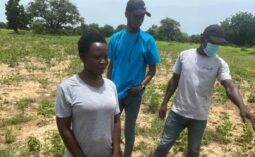
For 31-year-old Linda Asampana, a mother of one, the farming season began with new knowledge. After receiving training in good agronomic practices from the KIC and AGRA project, as well as soybean seed, she planted one acre of soybean in Bongo-Soe. The field now represents more than a crop: it is evidence of her growing confidence to apply improved practices and invest in her farm. Linda’s interest in farming arose through training in modern agronomic practices. The AGRA YEFFA intervention was highly timely, equipping her with the essential knowledge and skills needed for her soybean farm. Today, Linda is a proud soybean farmer who hopes to expand her cultivation and increase her yield in the coming seasons.
Josephine’s story inspires hope: From 2½ Bags to an Expected 15
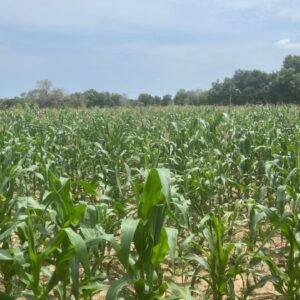
Josephine Aseingo, 32, is a University for Development Studies graduate and mother of two. Like Linda, she received training in good agronomic practices from the KIC and AGRA programme—along with drought-resistant maize seed—and cultivated 1½ acres this season. The early signs are encouraging. Josephine expects to harvest nearly 15 bags of maize, compared with just 2½ bags last year. If realised, this would be a sixfold increase—more grain for her household and a stronger foundation for the future. For Josephine, the anticipated harvest is not only a measure of yield; it is proof that the right seed, knowledge and commitment can dramatically change what one season can deliver.
Helen: Turning Soybean into a Growing Enterprise
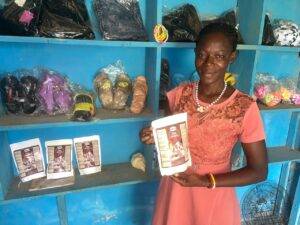
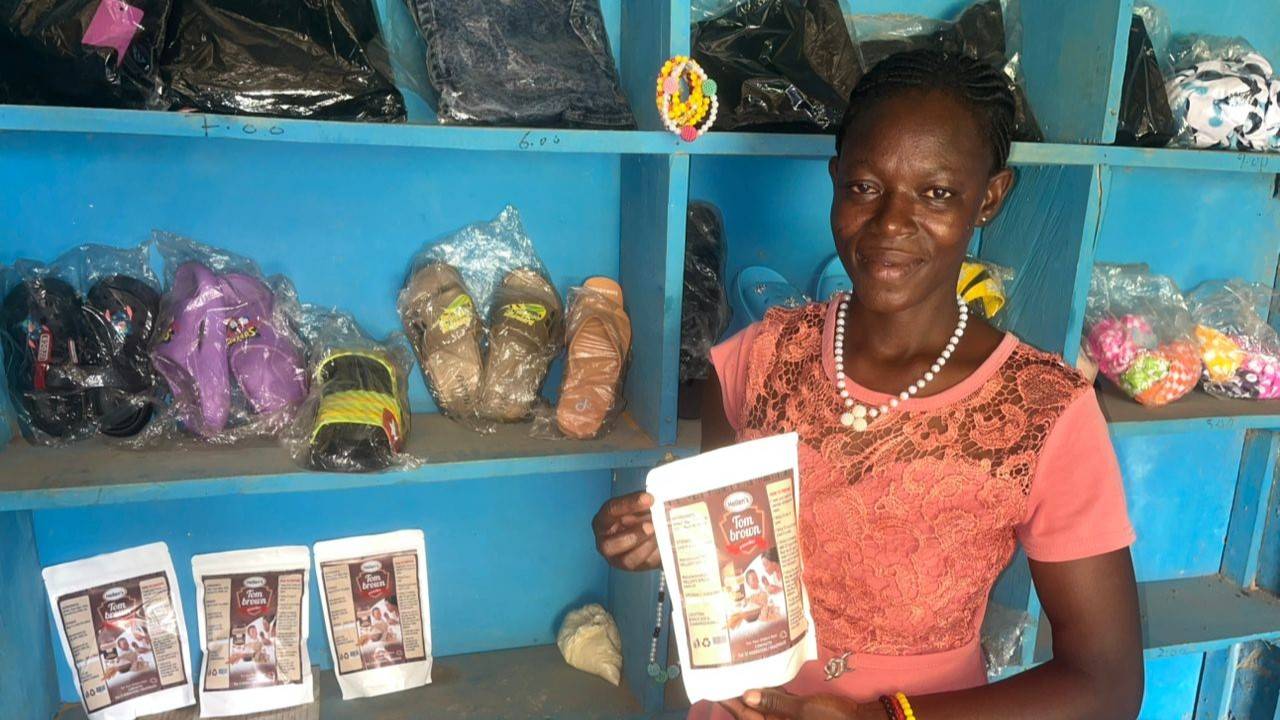
Twenty-seven-year-old Helen Apasebong, a mother of two, is extending agricultural opportunity beyond the farm. As a member of the first cohort trained by Grainwell Enterprise, a KIC anchor firm operating in the Kumbungu District, she learned how to add value to soybean and turn it into products for local consumers. Helene successfully launched her soy processing business after receiving comprehensive training and essential start-up materials from KIC under the AGRA/YEFFA project. She acted on that opportunity and built a viable enterprise. Today, she operates two shops—one in Bongo-Soe and another in Zuarungu-Kunkua—bringing soybean products closer to customers while creating a dependable source of income for her family.
Her business generates an estimated GH₵500 in profit each week, bringing the monthly total to approximately GH₵2,000 in a month. What began as training has become a growing enterprise—demonstrating how value addition can open new markets, strengthen local food systems and help young women build sustainable livelihoods.
One Community, Three Pathways to Progress
Linda, Josephine and Helen are following different paths, but their stories carry one powerful message: when women can access practical training, improved inputs and enterprise support, they do more than increase production. They build confidence, earn income and create new possibilities for their families and communities. In Bongo-Soe, that impact is already visible—in a flourishing soybean field, the promise of a sixfold maize harvest and two growing shops.
This is the impact of the Expanding, Mentoring and Coaching to build capacity and expand access to technical and financial resources for disadvantaged youth in agriculture Project KIC is implementing in partnership with AGRA. This forms part of the broader Youth Entrepreneurship for the Future of Food and Agriculture (YEFFA) Programme that AGRA is running in partnership with the Mastercard Foundation. The programme aims to catalyze dignified and fulfilling work for young people, especially young women, through investments that unlock system barriers, build resilience, and enhance capabilities to promote inclusive growth in sustainable food systems, while empowering young people.